
Dog Nail Anxiety: What Causes It and How to Break the Cycle
Dog nail anxiety is a specific fear response to nail trimming tools, handling, or both. It's triggered by past pain (usually a quick cut), the sound and pressure of clippers, or the restraint involved in the process. Once anxiety is set, it tends to escalate -- the dog anticipates the experience before it begins, and each session reinforces the fear.

Breaking the cycle requires removing the trigger, not trying to outlast the dog's reaction.
TL;DR - Nail anxiety is a conditioned fear -- often traceable to one bad experience -- not a permanent trait - The anxiety usually lives in the tool and the restraint, not in nail care itself - Methods that remove the tool and the restraint break the cycle faster than trying to desensitize to clippers
What Dog Nail Anxiety Actually Is
Nail anxiety isn't general fearfulness. Most dogs who panic during nail trimming are perfectly calm in other situations. The anxiety is specific: it's triggered by the clipper tool, the sound of the click, the pressure on the nail, or the restraint position.
This is important because it changes the solution. You don't need to make your dog "less anxious" as a general project. You need to remove the specific triggers causing the response.
The physical signs during nail trimming vary: some dogs tremble, pull, cry, or try to escape. Others freeze. Some bite. Some dogs show anticipatory anxiety -- they start reacting when you reach for the clipper drawer, not when you actually touch their paw.
That last pattern is the clearest sign of conditioned anxiety: the dog has learned what comes next, and they're trying to stop it before it starts.
Where Nail Anxiety Comes From
Most nail anxiety has a root cause in one of three places:
A painful experience. The quick -- the blood vessel that runs through the nail -- is easy to cut in dark-nailed dogs because you can't see it. One nick that draws blood is enough to set a lasting fear association. The dog doesn't distinguish between "that one bad cut" and "clippers in general." The tool becomes the trigger.
Sound sensitivity. The snap of a clipper is a sharp, sudden noise. Dogs with noise sensitivity -- which is common in anxious breeds and rescue dogs -- often react to the sound before anything touches them. This is a startle-driven response, not anticipation of pain.
The restraint position. Nail trimming typically requires holding the paw in an extended position, keeping the dog still, and leaning over or above them. This is a vulnerable, prey-animal position for a dog. Even without any pain, the handling itself can trigger anxiety in dogs with handling sensitivities.
Often, all three are present at once.
Why Anxiety Gets Worse Over Time
A dog's fear response doesn't stay static. Each negative nail experience adds a layer.
In the early stages, the dog resists when the clippers touch their paw. After a few more forced sessions, they start resisting when they see the clippers come out. Then when they hear you open the drawer. Then when they notice it's "that kind of day."
This is called the anticipatory anxiety loop, and it's the reason trying to push through nail anxiety usually makes it worse. Every session the dog "survived" is remembered as another data point confirming that this situation leads to discomfort. The fear becomes more entrenched, not less.
Meanwhile, the nails get longer. Long nails splay the toes and change the dog's gait. With very long nails, the quick grows further down into the nail, making future trimming riskier and often painful even with careful technique.
The anxiety isn't just a behavioral problem -- it has physical consequences if left unresolved.
Why Standard Desensitization Often Stalls
Clipper desensitization -- where you gradually expose the dog to the clippers, then clicking sounds, then touching the paw, over weeks of training -- works well for puppies and for dogs with mild anxiety. For dogs with established, deep nail anxiety, it often stalls at the "touching paw" stage and never transfers to "actually clipping the nail."
The reason: the dog can tolerate the clipper sitting on the floor. The dog can tolerate clicking sounds. The moment the nail enters the clipper jaw and pressure is applied, the muscle memory of past pain or fear floods back. The conditioning doesn't always carry across that specific moment.
It's not that desensitization is wrong. It's that it's trying to make peace with the tool -- and for some dogs, the tool is the problem.
Breaking the Cycle: Remove the Tool
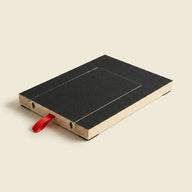
The fastest way to break nail anxiety is to remove the trigger entirely. That means no clippers, no grinder, no tool that approaches the dog's paw. Instead, you teach the dog to bring their paw to a textured surface -- a sandpaper-pad board -- where they scratch naturally and file their own nails.
There's nothing to resist, because there's no tool coming at them. There's no restraint position. There's no pressure or snapping sound. The dog is in control of the action. They scratch when they choose to. The treats in the board's treat well are the reward.
The anxiety doesn't transfer to the board because the board triggers none of the anxiety cues: no clipper shape, no click, no pressure, no restraint. To a nail-anxious dog, the board is just a scratching surface with a treat prize. That's it.

The Calm Method is built on this principle -- that the right training method makes nail care something your dog does, not something that happens to them. If you want to see the full training sequence, thecalmmethod.shop/pages/method walks through it step by step. The board is available at thecalmmethod.shop/products/the-calm-method.
How Long Does It Take?
Most dogs with nail anxiety show meaningful progress on the scratch board within 3-7 days. The first day is usually about getting comfortable sniffing and interacting with the board. By day 3, most dogs are actively scratching. By day 7, the scratching is natural and motivated.
This is faster than clipper desensitization for most dogs because you're not asking them to override an existing fear -- you're introducing a new, non-threatening behavior from scratch.
Dogs with severe anxiety, or dogs who are generally reactive and anxious across many contexts, may take 2-3 weeks. That's still faster than trying to rehabilitate a deep clipper phobia.
FAQ
Q: Can a dog with severe nail anxiety fully recover? A: Most nail-anxious dogs do very well with methods that remove the trigger rather than trying to modify the response to the trigger. "Recovery" may mean they never become comfortable with clippers -- but if they're regularly and calmly filing their own nails, the practical outcome is the same.
Q: My vet says I need to just get it done. What should I tell them? A: Your vet's concern is about nail length, not the method. If you can show that your dog's nails are being maintained at a healthy length through scratch board use, most vets are supportive. Some are already recommending scratch boards as an alternative -- the Fear Free veterinary movement has been advocating for low-stress handling for years.
Q: Does nail anxiety affect the dog's overall wellbeing? A: Yes, beyond just the grooming sessions. Dogs with unresolved fear associations often show generalized anxiety increases over time. Nail trimming fear, if it becomes severe enough, can trigger a stress response when you reach for their paws for any reason -- which affects handling, vet visits, and day-to-day trust.
Q: My dog lets me touch their paws normally. Why do they freak out with clippers? A: Because the anxiety is trigger-specific. Paw touching is fine; the clipper tool is the cue that activates the fear memory. This is actually a good sign -- it means the anxiety is localized, not generalized. The scratch board method will work well for this dog.
Q: Should I use calming supplements or medications while training? A: Some owners find calming supplements (L-theanine, melatonin) helpful during the early stages. For dogs with severe anxiety, a vet-prescribed short-term anti-anxiety protocol can lower the dog's baseline enough to let them engage with training. Always consult your vet on medications. The training method works better on a calm nervous system, so there's no conflict between medication support and behavioral training.
Related posts: Why Is My Dog Scared of Nail Clippers? | How to Desensitize a Dog to Nail Clipping
Learn more about the training method: thecalmmethod.shop/pages/method
The Calm Method board: thecalmmethod.shop/products/the-calm-method