
Dog Nail Grinding vs Clipping: Which Is Better for Anxious Dogs?
For most dogs, grinding and clipping are roughly equivalent in outcome but different in experience. Grinding produces a smoother finish and removes risk of splitting; clipping is faster. For anxious dogs specifically, the choice between grinder and clipper often matters less than most owners expect -- and for dogs with established nail anxiety, neither tool is the right starting point. There's a third option that's been more effective for anxious dogs than either.

TL;DR - Clippers: faster, sharper result, risk of quick cuts -- better for cooperative dogs - Grinders: smoother finish, lower quick risk if used correctly -- better for dogs who can tolerate vibration - For anxious dogs who resist both: teach them to self-file on a scratch board -- no tool, no restraint, no anxiety trigger
How Clippers Work
Nail clippers (guillotine or scissor-style) cut the nail with a single, fast snap. The process is quick -- a full clip can take 2-3 minutes for a cooperative dog. The nail is cut straight across or at a slight angle, which can leave a rough edge that catches on fabric or scratches floors.
The main risks: - Quick cuts. The quick is the blood vessel inside the nail. Cutting it causes pain and bleeding. In light-colored nails, you can see the quick and avoid it. In dark-colored nails, it's invisible until you've already cut too deep. - Splitting. A dull clipper (or a very thick nail) can split the nail instead of cutting cleanly. - Fear response to the snap. The sound of the clipper closing is a sharp, fast click. Dogs with sound sensitivity often react to the sound more than the actual clipping.
Best for: Dogs who are cooperative, have light-colored nails, or are young enough that the clipper hasn't become a fear trigger.
How Grinders Work
Nail grinders (Dremel-style rotary tools) sand the nail down gradually with a rotating abrasive bit. The process takes longer per nail but gives more control -- you can see exactly how much material you're removing and stop before reaching the quick.
The main advantages: - Lower risk of quick cuts (you remove small amounts at a time) - Smoother nail finish (no rough edges, safer for scratch-prone skin) - No sharp-snap trigger
The main drawbacks: - Vibration. The grinding sensation travels through the nail into the paw. Most dogs habituate to this, but anxious or sensitive dogs often react to the vibration as much as they would to clippers. - Heat. Keeping the grinder on one nail too long generates heat. Use short passes and rotate nails. - Noise. The motor hum is continuous, which some dogs find aversive even if they tolerate the occasional clipper click. - Time. A full grind takes 2-3x longer than clipping. That's more time the dog has to become stressed.
Best for: Dogs who tolerate vibration, have thick nails (clippers tend to split them), or have dark nails where quick visibility is an issue.
The Honest Comparison for Anxious Dogs
The research on clipper vs. grinder anxiety is thin -- most of what's available is owner-report rather than controlled study. The honest answer:
Neither tool reliably solves anxiety. A dog who is anxious about nail care is usually anxious about the restraint, the handling, and the approach of any tool toward their paw -- not specifically about one tool type. Switching from clippers to a grinder sometimes helps if the anxiety is specifically about the snap sound. More often, the dog who resists clippers also resists the grinder, just with slightly different body language.
The underlying fear is "something is being done to my nails and I can't stop it." That fear doesn't change by changing the tool.
The Third Option: Scratch Board Self-Filing
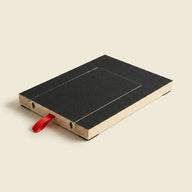
There's a different approach that side-steps both tools entirely. Instead of bringing a tool to the dog's paw, you teach the dog to bring their paw to a textured surface and scratch. A hardwood board with a sandpaper pad and a treat compartment -- the dog scratches for treats, nails file naturally.
No vibration. No snap sound. No restraint. No tool approaching from the owner's direction. The dog is initiating the action, not enduring it.
For anxious dogs, this changes the entire dynamic: there's nothing to be afraid of, because the anxiety cues that trigger the fear response are absent. The board is just a scratching surface. The treats make it positive. Within 3-7 days, most dogs are scratching voluntarily and nails are being maintained without any handling.
It's not faster for the owner per session (you're waiting for the dog to scratch, not clipping in 2 minutes). It is faster overall, because you're not spending weeks on desensitization that may or may not transfer.
The Calm Method is built on this approach. The board includes a training sequence that takes the dog from day 1 (curious but not sure what to do) to day 7 (scratching confidently). You can see the full method at thecalmmethod.shop/pages/method. The board is at thecalmmethod.shop/products/the-calm-method.
Side-by-Side Comparison
| Factor | Clippers | Grinder | Scratch Board |
|---|---|---|---|
| Speed per session | Fast (2-3 min) | Slow (8-15 min) | Variable (dog-paced) |
| Quick cut risk | Higher | Lower | None |
| Nail finish | Rough edge | Smooth | Gradual, smooth |
| Anxiety triggers | Snap sound + pressure | Vibration + motor noise | None (dog-initiated) |
| Restraint required | Yes | Yes | No |
| Good for anxious dogs | Often no | Sometimes | Yes |
| Training time | 2-6 weeks (desensitization) | 2-4 weeks | 3-7 days |
| Dewclaw coverage | Yes | Yes | No (separate clip needed) |
| Ongoing cost | Replacement clippers ($10-25) | Replacement bits ($5-15) | Replacement pads ($15 for 10-pack) |
Which Should You Use?
Cooperative dog, no anxiety history: Either clippers or grinder. Clippers are faster; grinders give a smoother result. Personal preference.

Mild anxiety, no quick-cut history: Try the grinder first. The absence of the snap sound helps some mildly anxious dogs. Use a full desensitization protocol regardless of which tool you pick.
Established anxiety, quick-cut history, or known resistance: Skip the tool debate. Start with the scratch board, get the dog filing their own nails within a week, then decide if you ever need a tool for occasional trim maintenance.
Dog who bites during nail handling: Do not attempt home grooming with any tool until you've consulted a professional dog trainer. Safety first.
FAQ
Q: Can I use both a grinder and a scratch board? A: Yes. Many owners use the scratch board for regular nail maintenance (3-4 times per week) and a grinder occasionally to smooth any rough edges or catch the dewclaws. The two approaches complement each other well.
Q: My dog tolerates the grinder for 2-3 nails then starts fighting. What's happening? A: Stress stacks during grooming. The vibration, the heat, and the restraint gradually build the dog's arousal until they hit their threshold. Shorter sessions (2 nails max), more frequent breaks, and higher-value treats help. Also check that the grinder bit isn't overheating on individual nails -- keep it moving.
Q: Can a scratch board replace a grinder completely? A: For most dogs, yes. The scratch board handles regular maintenance for all nails that contact the board (typically all nails except dewclaws). A few dogs may still benefit from occasional grinder sessions to manage nail shape on the rear paws, which sometimes contact the board less consistently.
Q: How often do grinder bits need replacing? A: Depends on use frequency and nail hardness, but typically every 3-6 months with regular use. A worn bit generates more heat and friction, which increases the dog's discomfort. Replace before the bit starts to feel rough and slow.
Q: Grinders are loud. Can I use hearing protection for my dog? A: Some owners use foam earplugs on their dogs during grinding sessions. The dog's acceptance of having something in their ear canal varies. Alternatively: look for quieter grinder models (some are designed specifically for dogs, with lower dB output) or use the scratch board to avoid the noise question entirely.
Related posts: How to Trim Dog Nails Without Stress | Dog Nail Scratch Board: How to Use It Day by Day
Learn more about the training method: thecalmmethod.shop/pages/method
The Calm Method board: thecalmmethod.shop/products/the-calm-method