
How to Trim Dog Nails Without Stress: A Step-by-Step Guide
The most stress-free way to trim a dog's nails is to use a method that doesn't require the dog to hold still while a tool approaches their paw. That means either a structured desensitization protocol with clippers (effective for low-anxiety dogs and puppies), or bypassing clippers altogether by teaching the dog to file their own nails on a scratch board (more effective for dogs with established clipper fear).

This guide covers both approaches, with honest notes on which works best for which dogs.
TL;DR - For low-anxiety dogs: gradual desensitization to clippers over 2-4 weeks works well - For clipper-fearful dogs: teach them to self-file on a sandpaper scratch board -- no restraint, no clipper, no stress trigger - The scratch board method typically produces calm, cooperative sessions within 3-7 days
First: Know What You're Starting With
Not all nail-trimming stress looks the same, and the right approach depends on where your dog is:
Mildly resistant but not fearful: Dog pulls away, squirms, or moves their foot. Tolerates it if you're quick. This dog can usually be trained to cooperate with clippers through positive reinforcement.
Actively fearful: Dog vocalizes (whimpers, yelps, growls), tries to escape, or snaps. This dog has a fear response to the tool, the sound, or the restraint. Desensitization can work, but it takes longer and requires patience. The scratch board method is often faster.
Trauma history: Dog has been cut to the quick before, has been forcibly restrained, or was not socialized to nail handling as a puppy. This dog needs the trigger removed, not modified. The scratch board method is the right starting point.
Identifying where your dog is saves you weeks of effort going in the wrong direction.
Option 1: Stress-Free Clipping (Low-Anxiety Dogs)
If your dog is mildly resistant -- not fearful -- a structured desensitization approach works well. The key is to separate each component and reward them individually before combining them.
Week 1: Paw handling - Touch your dog's paws for 10-15 seconds daily. Reward with high-value treats. - Progress to holding each toe gently, then squeezing slightly (simulating clipper pressure). - Stop before your dog tries to pull away. End on a calm note.
Week 2: Clipper introduction - Let your dog sniff the clippers. Reward for calm investigation. - Click the clippers near your dog (not near their paw). Reward. - Touch the clipper body (not the blade) to each paw. Reward.
Week 3: The clip - Clip only the tip of one nail per session. Reward immediately. - Increase by one nail per session as the dog remains calm. - If the dog starts resisting, go back a step.
Tools that help: - Styptic powder on hand in case you catch the quick - High-value treats (small, soft, fast to eat) - Good lighting -- you need to see the quick in light-colored nails; for dark nails, clip 1-2mm at a time - A second person to feed treats while you clip (the "two-person method" reduces restraint stress significantly)
What to expect: Most low-anxiety dogs are accepting regular nail trims within 4-6 weeks of this protocol. Dogs who are already somewhat cooperative may get there in 2 weeks.
Option 2: Stress-Free Without Clippers (Fearful Dogs)
For dogs with established clipper fear, the most effective approach is removing the clipper entirely and teaching the dog to self-file. This is where the nail scratch board method comes in.
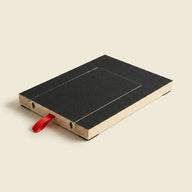
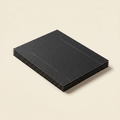
The mechanism: a hardwood board with a sandpaper pad and a treat compartment built in. The dog scratches the board with their front paws to reach the treats. As they scratch, the sandpaper files the nails naturally. No clipper, no restraint, no tool approaching their paw.
Why this works for fearful dogs: - None of the clipper anxiety cues are present (no snap sound, no pressure, no restraint) - The dog initiates the scratching -- they're in control - The treat motivation is high and immediate - Scratching is a natural dog behavior, so there's no new motion to teach
The training sequence (Day 1-7):
Day 1-2: Introduction - Place the board on the floor with treats visible in the compartment. - Let your dog approach and investigate on their own. Don't guide the paws. - Reward any sniffing, licking, or pawing at the board. High-value treats, immediately. - Session length: 3-5 minutes. Stop before the dog loses interest.
Day 3-4: First scratches - Most dogs start scratching by day 3 -- the treat scent and the association from the previous sessions pull them in. - Each scratch = reward. Keep the treat well stocked. - Don't push the session long. 5 minutes of active scratching is enough.
Day 5-7: Regular use - The dog approaches the board voluntarily. This is the goal. - By day 7, most dogs are scratching confidently and the nails are visibly shorter. - Maintain 3-4 sessions per week going forward.
You can read the full training sequence on the Calm Method method page: thecalmmethod.shop/pages/method. The board itself is at thecalmmethod.shop/products/the-calm-method.

Maintenance: Keeping Nails at a Healthy Length
The target for nail length: nails should not touch the ground when the dog stands on a flat surface. If you hear clicking on hardwood floors, the nails need attention.
For clip-based maintenance, once monthly or every 6-8 weeks is typical for most dogs on a regular trim schedule.
For scratch-board maintenance, 3-4 sessions per week typically keeps nails at the right length. Some high-energy dogs who dig or play on hard surfaces may naturally maintain their own nails even without a board.
Dewclaws (the small nail on the inside of the front leg, sometimes the back leg) don't contact the board. Check these monthly. They often need a separate clip even in dogs who fully maintain their other nails via scratching.
When to Get Professional Help
- If your dog's nails are already extremely long (the quick has grown forward, which happens when nails are neglected for months), have a vet or groomer do a corrective trim first. Then start the training method.
- If your dog has bitten during nail trimming, or has a bite history with handlers, get a certified professional dog trainer involved before attempting home grooming.
- If you've done 3-4 weeks of desensitization and the dog is still highly reactive, a fear-free veterinary behaviorist can assess whether there's an underlying anxiety disorder that needs treatment first.
FAQ
Q: How short should I cut dog nails? A: For clipping, cut just the curved tip, 1-2mm above the quick. In light-colored nails, you can see the quick as a pinkish core. In dark-colored nails, cut small amounts until you see a small dark dot appear in the center of the nail cross-section -- that's just before the quick.
Q: What if I catch the quick? A: Apply styptic powder (or corn starch as a backup) directly to the nail tip. Hold pressure for 30 seconds. The dog will feel a brief sharp sting. Give treats immediately. Take a break before continuing -- the dog's stress response will be elevated.
Q: Can I use a nail grinder instead of clippers? A: Grinders are better for dogs who are sensitive to the snap of the clipper but tolerate vibration. Some dogs who resist clippers accept grinders. Many don't. See our comparison post: Dog Nail Grinding vs Clipping: Which Is Better for Anxious Dogs?.
Q: My dog hates having their paws touched at all. What do I do first? A: Start with paw-handling desensitization before introducing any nail tool. Touch the paw briefly and reward. Build duration over 1-2 weeks. Alternatively, the scratch board approach sidesteps this entirely -- the dog controls how their paws contact the board, so the "handling" never happens from the owner's side.
Q: Will my dog ever love nail trims? A: "Love" is a high bar. The realistic goal is neutral tolerance for clipping, or positive association for the scratch board (where the treats genuinely make it something the dog seeks out). Many scratch board dogs run to the board voluntarily -- that's about as close to "love" as nail care gets.
Related posts: Dog Nail Scratch Board: How to Use It Day by Day | Dog Nail Grinding vs Clipping: Which Is Better?
Learn more about the training method: thecalmmethod.shop/pages/method
The Calm Method board: thecalmmethod.shop/products/the-calm-method