
Why Is My Dog Scared of Nail Clippers?
Dog nail clipper fear is a learned fear, not a personality flaw. Most dogs become scared of clippers after a painful experience -- usually a quick cut that drew blood -- or because the tool itself (the click, the pressure, the restraint) triggers a startle response before any pain ever happens. Once the fear is set, it compounds: every clipper session reinforces it.

The good news: the fear is breakable. But not by pushing through it.
TL;DR - Clipper fear is almost always learned, not innate -- it usually starts with one bad experience or with the tool's sound and pressure - Forcing through it makes it worse; avoidance lets nails grow dangerously long - There are training methods that bypass clippers entirely -- your dog can learn to file their own nails
Why the Clipper Click Triggers Fear
The sound of nail clippers is a fast, sharp snap. For a dog with a startle response -- especially anxious breeds, rescue dogs, or dogs with a history of rough handling -- that sound alone is enough to activate a fear response before anything touches their paw.
Add the physical sensation: pressure on the nail, then a sudden force. If the quick has ever been nicked, even once, the dog has learned "clipper = sharp pain." Dogs have excellent associative memory. One quick-cut can wire in permanent clipper aversion.
This is not stubbornness. It's how learning works in a nervous system that's wired to avoid pain and danger.
How the Fear Cycle Escalates
Here's what happens in most households:
- Dog fights the clippers. Owner forces it or gives up.
- If forced: dog's fear deepens. They start resisting before the clippers even come out.
- If owner gives up: nails grow long. Long nails splay the toes, change how the dog walks, and can eventually cause joint pain -- which makes the dog harder to handle.
- Groomer visits become a trauma event. The dog needs to be muzzled or sedated. The owner feels guilty. The dog associates grooming with fear.
This cycle is what most clipper-averse dog owners are living inside when they search for help. If this sounds familiar, you're not doing anything wrong -- the tool is wrong for your dog.
What Doesn't Work (And Why)
Forcing it: Holding your dog still and cutting fast doesn't work long-term. It might get the nails trimmed once. It makes the next session harder.
Gradual desensitization to clippers: This works for some dogs, especially puppies, but it requires weeks of patient conditioning and many dogs don't transfer their tolerance from "clippers sitting nearby" to "clippers actually touching my nail."
Grinders: Quieter than clippers, but the vibration and motor noise still spook anxious dogs. And grinders require the dog to stay still for longer, which compounds the problem.
Groomer outsourcing: Solves the immediate nail length issue. Doesn't solve the fear. Your dog still associates being groomed with something that happens to them, not something they do.
A Different Approach: Let the Dog Do the Filing
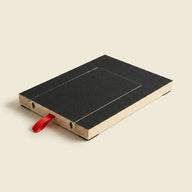
There's a training method that sidesteps the clipper problem entirely. Instead of bringing the tool to the dog, you teach the dog to bring their paws to a textured surface -- a hardwood board with a sandpaper pad and a treat well built in. The dog scratches for treats. Their nails file naturally against the sandpaper as they scratch.
No clippers. No restraint. No fear trigger.
The mechanism is simple: scratching behavior is natural for dogs. The nail-filing is a side effect of something the dog is already motivated to do. You're not asking them to tolerate something uncomfortable -- you're redirecting an instinct they already have.
The Calm Method is built around this approach. It's not just a board -- it's the training sequence that teaches the dog the board is safe and worth using. (The #1 complaint about nail scratch boards in every category review is "my dog won't use it -- no instructions." We solve that.) You can read how the method works at thecalmmethod.shop/pages/method.
When to See a Vet
If your dog's nails are already very long (the nails touch or almost touch the ground when they stand), get a vet trim before starting any training method. Long nails change the dog's gait and the quick grows further into the nail, making home trimming riskier. A vet trim plus a training method going forward is the right sequence.

If your dog has extreme fear responses -- biting, total shutdown, severe aggression during any nail handling -- consult a certified professional dog trainer before starting any home method.
FAQ
Q: Is clipper fear common in dogs? A: Yes. Research from veterinary behavior studies suggests nail trimming is one of the most common triggers for fear responses in dogs. It's not a breed problem or an owner problem -- it's a tool problem for a significant portion of the dog population.
Q: Will my dog ever get comfortable with clippers? A: Some dogs do, with consistent desensitization training over weeks or months. Many don't -- especially dogs with a history of quick-cuts or those who are generally anxiety-prone. For those dogs, bypassing clippers entirely is often faster and more lasting than trying to make peace with the tool.
Q: My dog lets the groomer do it but hates me trying. Why? A: Groomers move quickly and with confidence, which can actually reduce the window for fear to build. The dog may also have lower arousal at the groomer due to novelty (a different environment, different smells). Neither means your dog is fine -- it means the fear is context-dependent. Groomers also sometimes use restraint techniques that suppress the fear response without eliminating it.
Q: How young should I start nail training? A: The earlier the better. Puppies who are introduced to nail handling, paw touching, and scratch-board use before 16 weeks (the socialization window) are significantly less likely to develop clipper fear. But it's not too late for adult dogs -- the nail scratch board method works for adults, it just takes a few more days.
Q: Can a nail scratch board completely replace clippers? A: For many dogs, yes. The board files the nails gradually with each use. Dogs who use a scratch board regularly -- a few times a week -- typically maintain nail length without clippers at all. Some dogs may still need a small trim on dewclaws (which don't contact the board), but most owners report eliminating clippers almost entirely.
Q: My dog is scared of everything, not just clippers. Will this work? A: Anxious dogs often respond especially well to the scratch board method because it puts them in control. They choose to scratch; there's no restraint, no noise, no pressure. That said, highly anxious dogs may take longer to warm up to the board -- start with the treat well open and reward any sniffing or paw contact before expecting scratching.
Related posts: Dog Nail Anxiety: What It Is and How to Break the Cycle | How to Trim Dog Nails Without Stress: A Step-by-Step Guide
Learn more about the training method: thecalmmethod.shop/pages/method
The Calm Method board: thecalmmethod.shop/products/the-calm-method